


Description
The National Health Research Institutes (NHRI)
Introduction
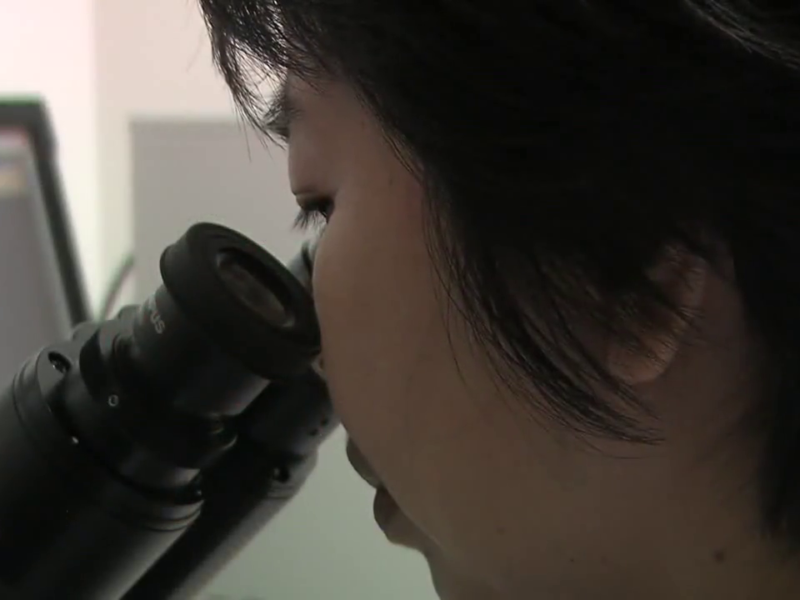
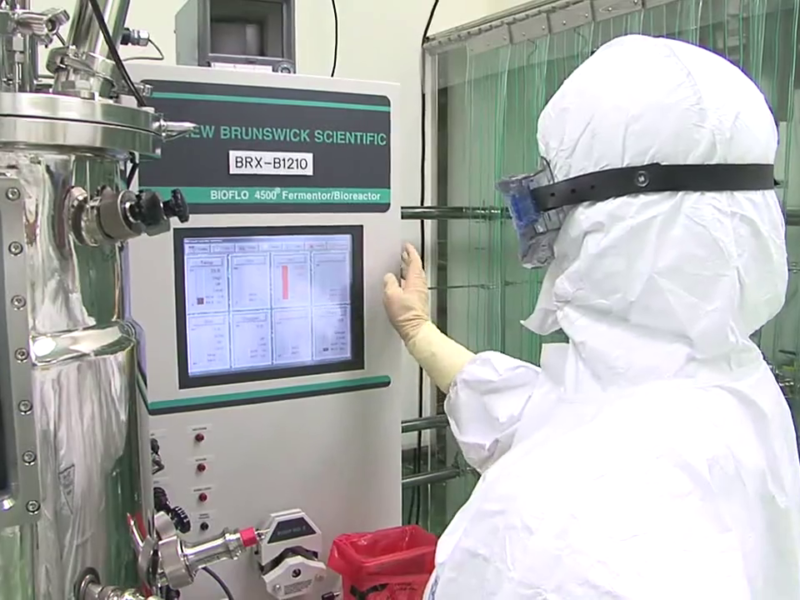
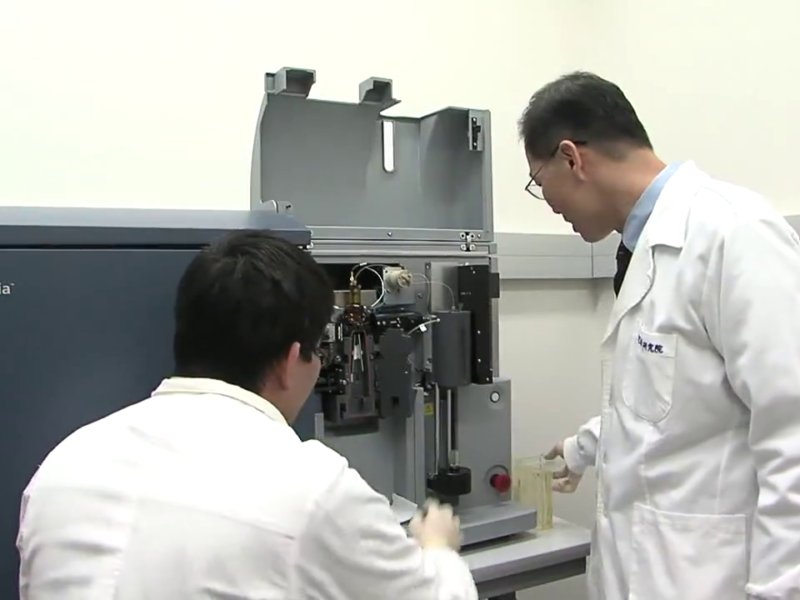
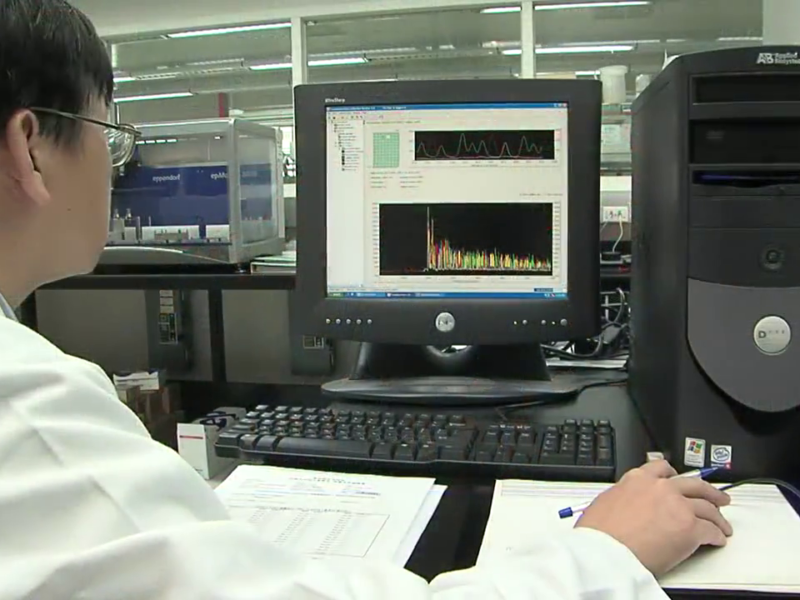
The National Health Research Institutes (NHRI) is a government-sponsored autonomous non-profit organization dedicated to advancing medical research and healthcare in Taiwan. Established in 1996, NHRI’s main campus spans 32 hectares in Chunan, Miaoli County, within the Science-based Industrial Park. Over 1100 researchers and staff work in diverse fields including population health, clinical, molecular, cellular, and genomic medicine, medical statistics, biotechnology, and pharmaceutical research. In 2007, NHRI expanded its scope with the establishment of the Cancer and Clinical Research Center in Tainan, near the National Cheng Kung University Hospital.
Cancer Research
Cancer has been the leading cause of death in Taiwan since 1982. NHRI focuses on major cancer types prevalent in Taiwan, such as liver, nasopharyngeal, lung, cervical, and gastric cancer.
Environment and Cancer
Female lung adenocarcinoma (FLAC) is the leading cause of cancer mortality among women in Taiwan, with over 90% of cases in non-smokers. Environmental factors like cooking-oil fumes, motorcycle exhaust, passive cigarette smoke, PAHs, and dioxins are suspected contributors. NHRI forms teams to study these correlations and works with hospitals to analyze EGFR coding sequences in FLAC patients and evaluate responsiveness to Gefitinib treatment. Research shows East Asians have a 50% higher response rate to Gefitinib compared to the general population, advancing FLAC treatment in Taiwan.
Taiwan Cooperative Oncology Group (TCOG)
Established by NHRI in 1989, TCOG integrates medical resources across 24 hospitals, serving over 90% of Taiwan’s cancer patients. TCOG’s research includes finding antibiotic therapy as an effective first-line treatment for high-grade gastric MALT lymphoma. The TCOG Clinical Trial Statistical Center, operational since 1997, provides statistical support and has developed the Clinical Research Information Management System (CRIMS). TCOG also organizes in-service training for oncology research and treatment.
Pharmaceutical Development in Cancer
NHRI develops active compounds for cancers like hepatoma, gastric carcinoma, cervical cancer, and oral cancer. Discoveries include novel microtubule inhibitors that overcome multi-drug resistance, showing promising results in treating cancers affecting blood, bone marrow, and lymph nodes. NHRI has patented two potential anti-cancer drug candidates and continues pre-clinical and clinical trials.
Infectious Diseases
NHRI addresses diseases like Enterovirus, SARS, Avian Influenza, pneumonia, and hepatitis. Enteroviruses cause common infectious diseases among children in Taiwan, with 1300 to 2500 cases annually. NHRI maps genotypes of Enteroviruses and has identified gene recombination in local strains.
Pharmaceutical Development in Infectious Diseases
During the H5N1 avian influenza outbreak, NHRI synthesized Tamiflu in 18 days, transferring the process to a local company for large-scale production, preparing for future outbreaks.
Influencing Governmental Health Policies
NHRI monitors antibiotic resistance and epidemiological data, influencing policies like banning antibiotics for acute upper respiratory infections, saving medical costs and enhancing critical treatments.
Medical Research of Tomorrow
NHRI explores genomic medicine, nano-medicine, and stem-cell research. Collaborations have yielded multipotent cells from the human placenta with promising applications in organ transplantation. NHRI has also completed DNA sequencing of chimpanzee chromosome 22, enhancing understanding of human genetics.
Cooperation and Collaboration
NHRI supports medical research in Taiwan with core facilities and promotes collaboration through nationwide projects, symposia, and joint research with over 20 major institutes. NHRI organizes international conferences, workshops, and training programs, contributing to the advancement of medical science and healthcare.
Perspectives
NHRI integrates knowledge, technologies, and resources across disciplines and regions, acting as a think tank for the Taiwanese government on medical policies. NHRI’s ultimate goal is to improve human health globally.





Reviews
There are no reviews yet.